- > PoE 3.29 Curse of the Allflame
- > PoE 3.29 Curse of the Allflame Complete Guide: League Mechanics, Best Builds & Fast Currency Farming
- > Crimson Desert Beginner Guide: Best Tips to Start Strong in Pywel
- > Albion Online Season 34 Starts Sept 12 — Dragons Awaken & Resilience Penetration Removed
- > Path of Exile 2 Forbidden Rites Flashback Event Launches September 4 — 0.5.5 Patch News & Updates
- > Roblox 2026 Most Popular Games: Experience & Strategy Guides
Mortal Shell II Steam Launch: Mixed Player Reviews, No Stamina Combat, and Complete Beginner Guide
Mortal Shell II Is Out on Steam: Launch News, Mixed Reception, and a Complete Beginner's Guide
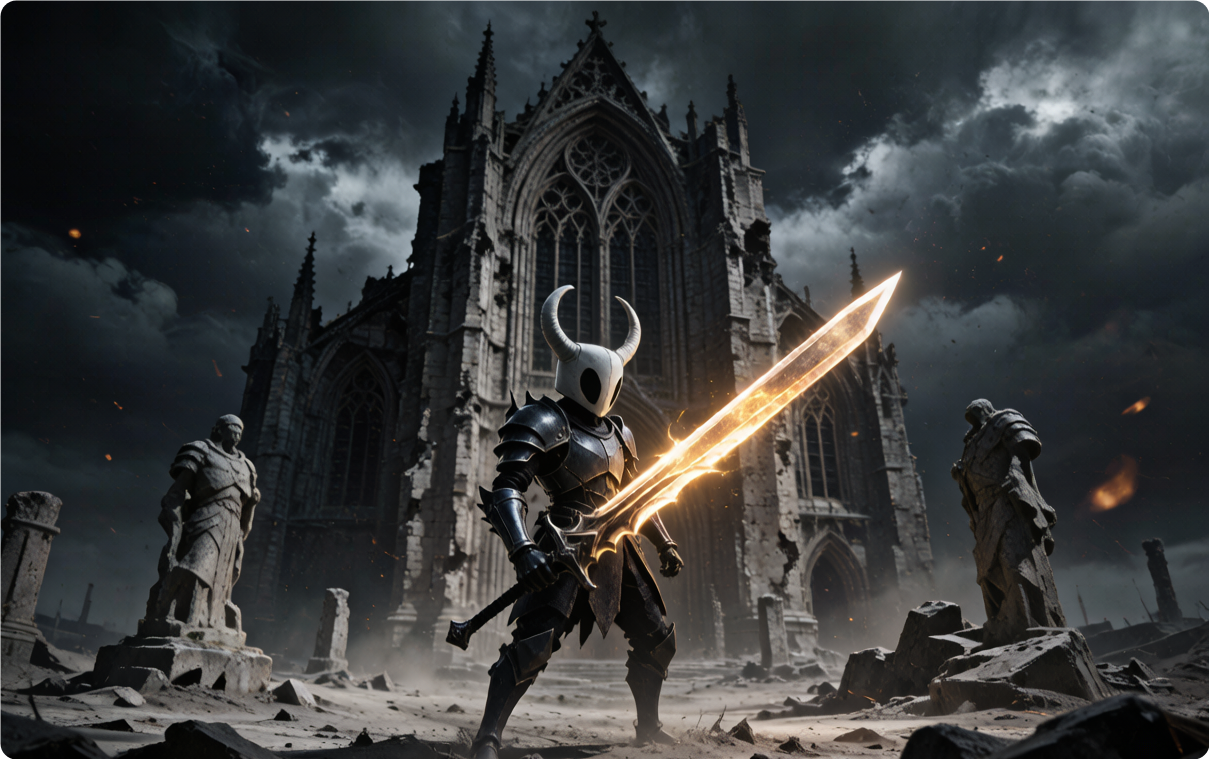
Six years after a 15-person studio shipped one of the most surprising soulslike debuts of 2020, Cold Symmetry has returned with something far bigger. Mortal Shell II launched worldwide on August 20, 2026 for PC via Steam, PlayStation 5, and Xbox Series X|S at $49.99, and it is not a small follow-up. It is a top-to-bottom reinvention: an interconnected open world with more than 60 dungeons, 8 playable Shells instead of the original's 4, and - most radically of all - no stamina bar at all.
The critical response has been strong. The player response has been more complicated. This article breaks down everything that happened in the game's first days on Steam, why the user reviews sit at Mixed while critics score it 85 on OpenCritic, and how new players should approach the brutal opening hours that define the experience.
Part 1: Launch Facts and Editions
Mortal Shell II went live simultaneously across all platforms and regions on August 20, 2026, at 9:00 AM ET - no staggered rollout. Two editions are available on Steam:
- The Standard Edition costs
49.99, which is20 below the usual market price for a premium soulslike.
- The Devout Edition costs $59.99 and included up to 72 hours of advanced access, which is why many reviews and player impressions were already circulating online before the standard release.
Before launch, more than 1 million players had already tried the game through the open beta. Cross-platform beta rewards carry over in a limited way: playing 30 minutes in the beta unlocked the Flayed Harbinger cosmetic skin in the full game, and progressing past Marrow Keep permanently unlocked the option to skip the prologue. Everything else - Shells discovered, weapons, currency, collectibles - reset at launch.
A day-one patch was applied before the standard release, rewriting combat balance and fixing launch issues. The developers also responded quickly to community feedback after the early access window: the divisive chromatic aberration and film grain noise effects were removed in a post-launch update.
Part 2: What Cold Symmetry Built in Six Years
The original Mortal Shell arrived in August 2020 from a team of roughly 15 people with no prior track record. It sold more than 2 million copies worldwide and earned a Best Debut Game nomination at The Game Awards. The sequel arrives from a studio that has doubled to 30 people, and the scope reflects that growth directly.
Where the first game was a tight hub-and-spoke crawl through a single region called Fallgrim, the sequel replaces that structure with a handcrafted, interconnected open world. Publisher Playstack - which called this their biggest game investment "by an order of magnitude" - describes the map as expansive yet deliberately compact, designed to reward exploration without padding the world with empty space. More than 60 dungeons are hidden across the landscape, connected through a shared airborne overworld.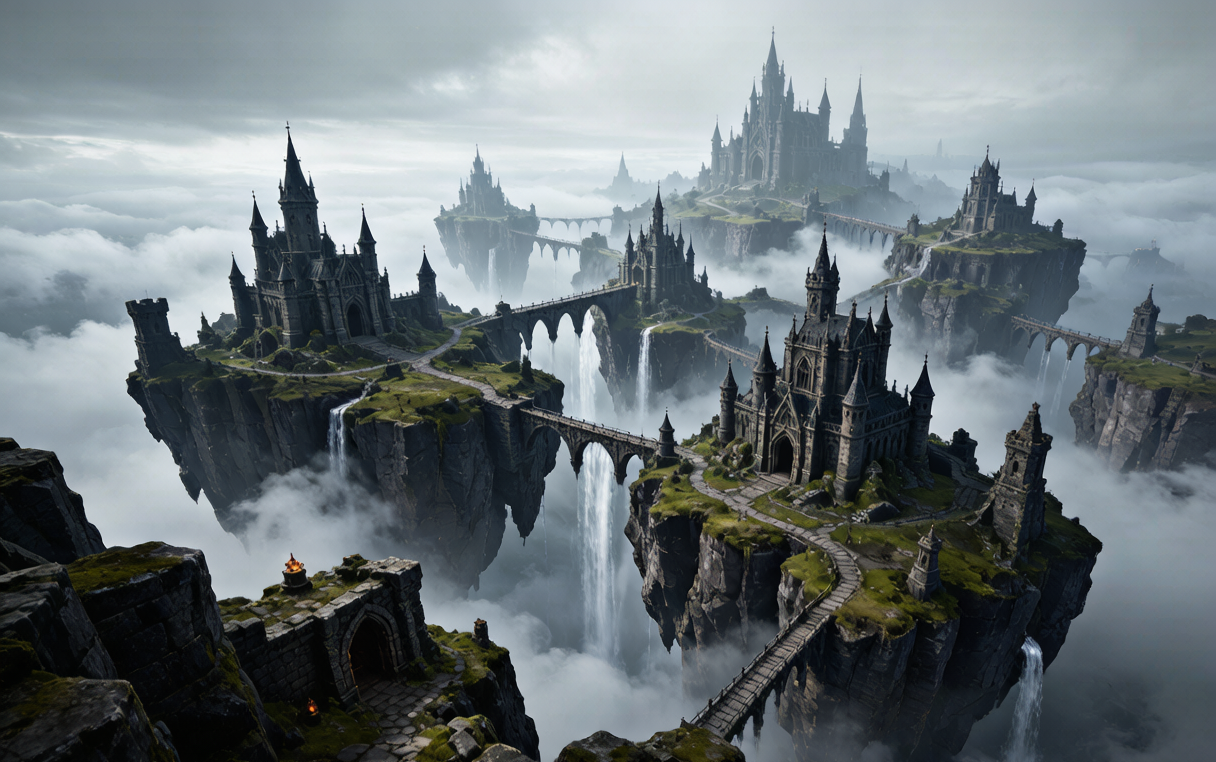
The game is a standalone sequel. No familiarity with the original is required, and most veteran players agree on one point: if you are new to the series, start with the second game. The original has aged into a much rougher experience, and everything it taught is presented more clearly here.
Part 3: The Big Design Change - No Stamina Bar
The soulslike genre has been built on a single architectural contract since Demon's Souls in 2009: every attack, dodge, and desperate backstep draws from one shared stamina pool. That shared cost is where the genre's famous deliberateness comes from. Mortal Shell II removes it entirely.
You can attack as many times as you want. You can dodge as many times as you want. Animation priority remains - you still cannot cancel an attack mid-swing, so every committed strike carries real risk - but the breath-counting rhythm of the genre is gone, replaced by what reviewers have called an aggressive cadence. After a successful attack, the correct move is usually to press forward, not to step back and wait for a meter to refill.
What replaces stamina is Resolve, a resource earned by landing melee attacks and spent on sidearms. This is the system that defines the sequel's combat identity: your ranged tools - a short-range shotgun, a miniature Gatling gun, a crossbow, and a lute whose forceful strum causes nearby enemies to turn on each other - are powered only by aggression. If you want to shoot, you have to hit things with a melee weapon first. Hitting enemies is the only way to fuel the tools that make hitting enemies easier.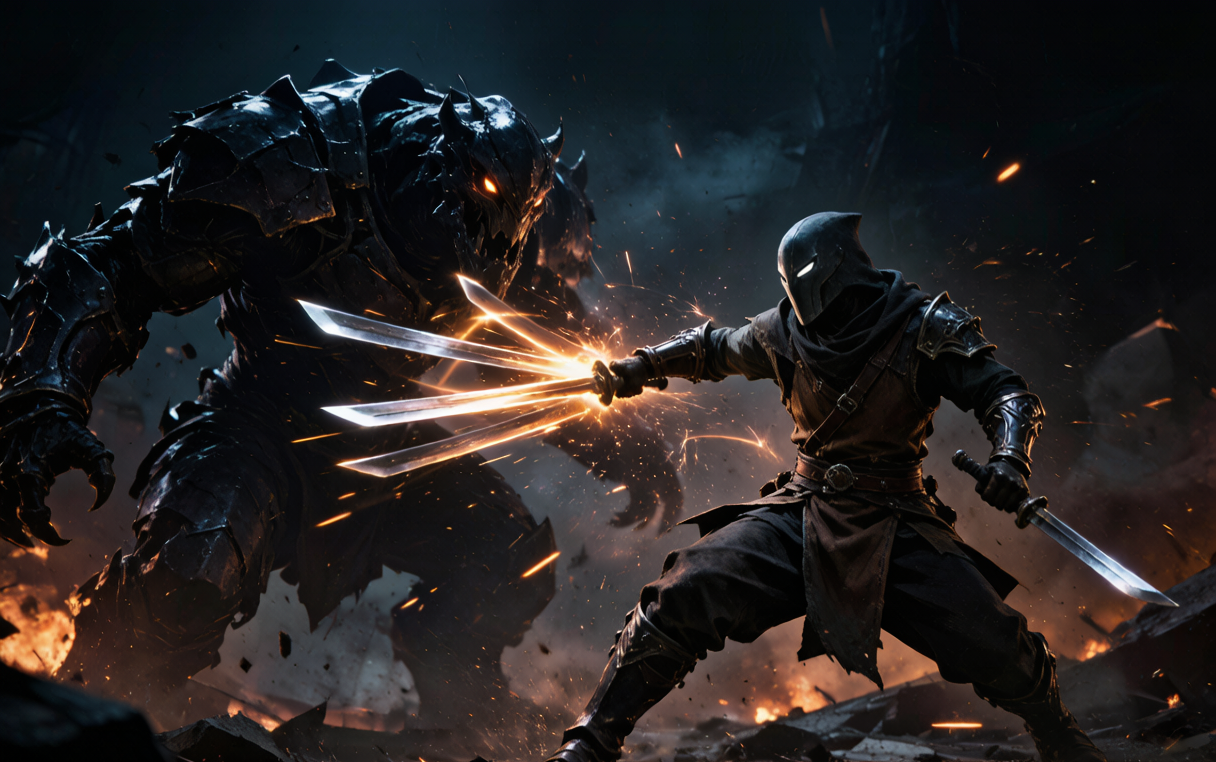
The original's signature Hardening mechanic - instantly petrifying your skin mid-swing to absorb one hit - returns but plays a smaller role. It now interacts with the new Perfect Guard and parry systems rather than serving as your primary defense. Players coming from the first game should adjust expectations: in the sequel, your Shell's active abilities matter more than Hardening ever will.
Part 4: The Shells, Seals, and Tarstone Build System
You play as the Harbinger - not a warrior, but a hollow, nameless vessel prophesied to reclaim stolen Ova from the creatures that guard them across a ravaged world. Genuine power lies not in you but in the corpses of the heroes who came before. Your job is to find their bodies and wear them.
Each of the 8 Shells is discovered at its literal resting place. Eredrim, the armored knight, is found impaled on a greatsword. Another warrior is stuffed into a shallow grave. A third is displayed in a mausoleum beneath the Royal Keep. The game does not hand them to you - you uncover them the same way you uncover the lore, by going somewhere you are not sure you are ready to go yet.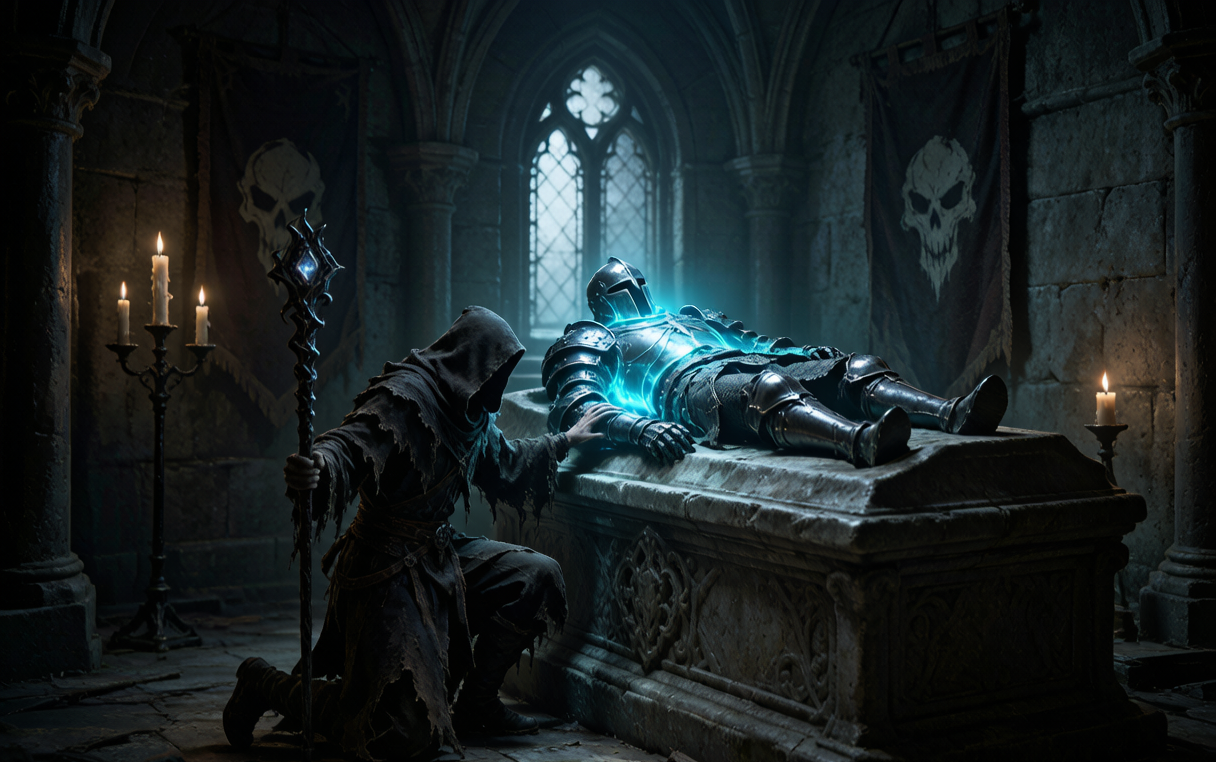
The build system has 4 layers, and understanding them is the key to enjoying the mid-game:
- Shells are the bodies you possess. Each has unique abilities and stat tendencies. Some reward tanky frontline play, one specializes in invisibility backstabs, another hooks enemies with an electrified grappling line, and one sampler-style Shell plays like a ranged kiter. One Shell kills enemies to refill healing charges, making it the safest choice for a brutal first run.
- Seals are accessories that each teach a single support ability. One lets you block with your sword and perform parries - a capability tied to an item in this game rather than a universal mechanic. Others improve dodging or add offensive options. Experiment until one clicks.
- Weapons are rare and well hidden. Buying information documents draws a search sphere on your map telling you a weapon is nearby. Each weapon - swords, axes, daggers, hammers - completely changes how the game plays.
- Tarstones are secondary accessories, 75 in total, that add effects: fire-imbued ranged weapons, improved critical hits, bonus currency drops, and more. Several can be equipped at once.
Crucially, the game respects your time on respecs. Skill points can be reset at any time, and items are permanently unlocked rather than consumed, replenishing at rest. Do not hoard. Use everything.
One more thing worth knowing: there is a very powerful Seal available early in the game that functions as an easy mode, but activating it disables trophies and achievements. Choose accordingly.
Part 5: The Reception Split - Critics vs. Players
Here is where the story gets interesting. On the critical side, Mortal Shell II launched to 85 on OpenCritic - rated Mighty, top 5 percent of all scored games, with 92 percent of critics recommending it - and 83 on Metacritic across 37 reviews. GameSpot's reviewer, who finished the game in 26 hours, ranked it alongside Lies of P as his favorite soulslike ever made outside FromSoftware. GamesRadar+ called it a standout in the genre, praising its speedy combat and inventive abilities. The Spanish press went further, calling it the best soulslike since Elden Ring.
On Steam, however, the user review tally sits at Mixed. Within a day of launch the game had accumulated well over 2,200 reviews, and the divide is sharp.
What players praise:
- The removal of stamina is widely seen as a genuine evolution, not a gimmick - combat feels fluid and aggressive.
- The execution animations and the depth of Shell, weapon, and Tarstone build combinations.
- PC performance is stable, and Steam Deck compatibility is frequently called excellent.
- The developers' responsiveness: the day-one balance patch and the quick removal of chromatic aberration and noise were both cited as good signs.
What players criticize:
- The late game difficulty curve spikes hard. Bosses gain enormous health pools and hyper armor that shrugs off light weapons, and some areas recycle earlier level layouts.
- Enemy placement leans on mob stacking and numerical inflation rather than deliberate encounter design.
- The character is fragile early on, and checkpoints are sparse, which makes exploration punishing in the opening hours.
- Some boss AI feels repetitive, cycling the same patterns with armor-backed aggression.
- Launch bugs: falling out of the map and weapons vanishing were both reported. Save often.
The honest summary: critics reviewed the systems and the vision, and found them excellent. Players are living through the rough edges of a launch window. Both things are true at once.
Part 6: Beginner's Guide - Surviving the Opening Hours
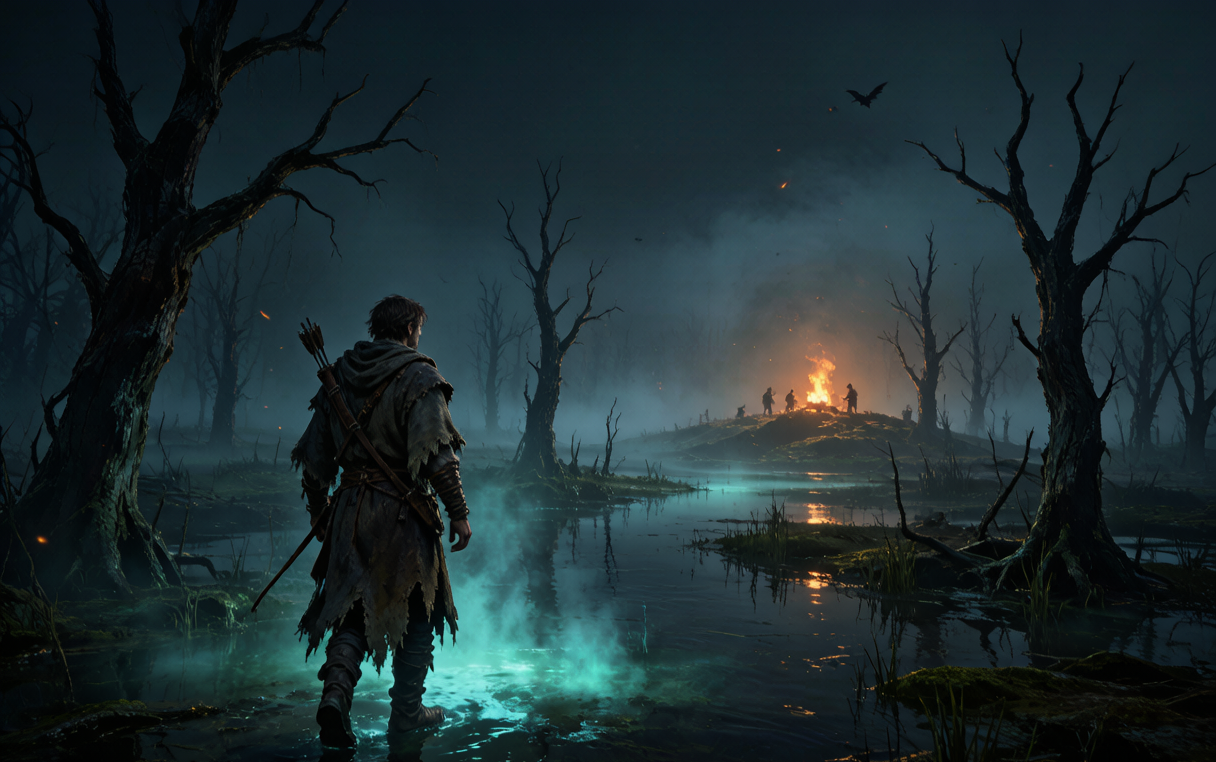
The single most common warning in community discussions is consistent: the game front-loads its hardest experience. Early on you are fragile, under-equipped, and surrounded by traps and enemy packs. By the mid-game, a developed build turns you into an unstoppable force. Your job is to bridge that gap without quitting.
Start in the upper region. The open world is deliberately compact, and the lower zones are tuned for later builds. Follow the guidance toward the upper half of the map first.
Pick a forgiving first Shell. The community consensus points to two options. Eredrim, the armored knight, is the most intuitive for genre newcomers: his shoulder-bash lunge rewards forward pressure, and his Executioner passive makes execution windows easier to trigger the more aggressively you riposte. Alternatively, the Shell whose ability refills healing charges on kills keeps you alive through any ambush - as long as enemies remain, you effectively cannot die.
Treat Resolve as a currency, not a faucet. Do not spend it on sidearm spam during regular exploration. Bank it for Shell abilities, boss windows, and emergencies.
Clear everything you see. Upgrade materials lie scattered along ordinary paths, and the developers were generous with rewards. Players who thoroughly explore report their power level comfortably matching the difficulty curve; players who beeline objectives report hitting walls.
Save often. Between the launch bugs and the sparse checkpoints, manual saving is your insurance policy until the hotfixes land.
And a word on pacing yourself across games: soulslikes reward patience, but not every game in your library should be a second job. Players who balance Mortal Shell II with other online favorites can save grinding time with PVPbank, a long-running marketplace for game currency, items, and boosting services across popular titles - handy when you would rather spend your evening fighting bosses than farming gold in another game.
Part 7: Build Guide - Matching Shells to Weapons
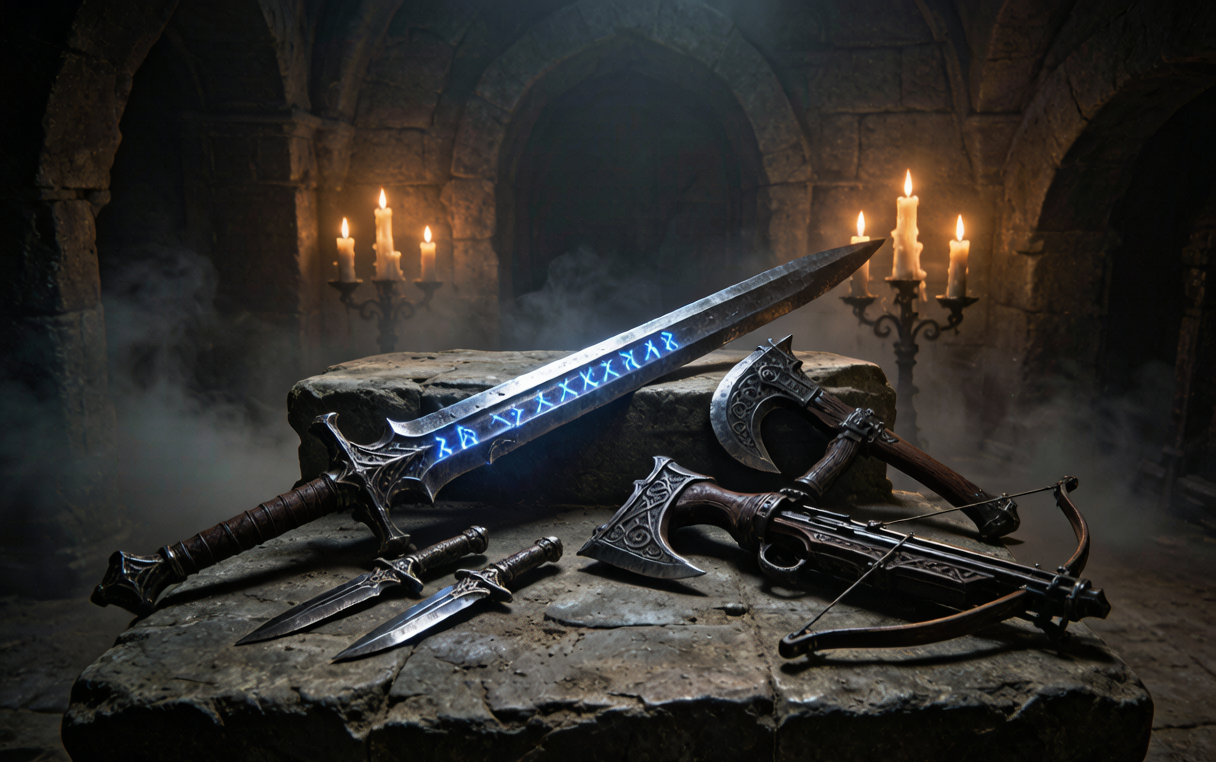
The deepest layer of Mortal Shell II is the pairing system, and it follows two reliable archetypes.
High-Resolve builds. Resolve is generated per hit, not per point of damage, so fast weapons fill the meter several times faster than heavy ones. Pair quick weapons with a Shell that has a large Resolve pool and you can chain weapon abilities continuously. During boss fights, the invincibility frames baked into weapon ability animations can dodge otherwise unblockable attacks, and the ability's multi-hit nature refills the Resolve you just spent, looping endlessly. This is the strongest sustained-damage strategy in the game.
Heavy stagger builds. Late-game bosses have massive stagger thresholds and hyper armor that makes light weapons bounce off harmlessly. Fully upgraded heavy weapons can stagger the last bosses in roughly three consecutive heavy attacks, opening a huge window to dump accumulated Resolve into weapon abilities for 20 to 30 percent of a boss health bar in a single opportunity. If you prefer greatswords and hammers, pair them with a high-durability Shell built to survive while you wind up.
Specialist archetypes. Beyond those two pillars, the Shell roster supports dedicated playstyles: a clone-summoning build that spams light attacks alongside summoned doubles, an unarmed chaos build that stacks damage during a timed empowerment window, a critical-hit build that reliably reaches 75 percent crit chance, an overheat build that converts heat buildup into explosive crit windows, and a trauma build that applies damage-over-time to break enemy poise before executing ripostes. With 75 Tarstones and free respecs, experimentation is cheap and encouraged.
If theorycrafting is your favorite part of the genre, this is where Mortal Shell II earns its keep - and it is also the mindset that carries into other grind-heavy games. For players who enjoy optimizing builds across several titles at once, PVPbank keeps accounts stocked with currency and items so your build planning stays in the game instead of the farming loop.
Part 8: Should You Buy It?
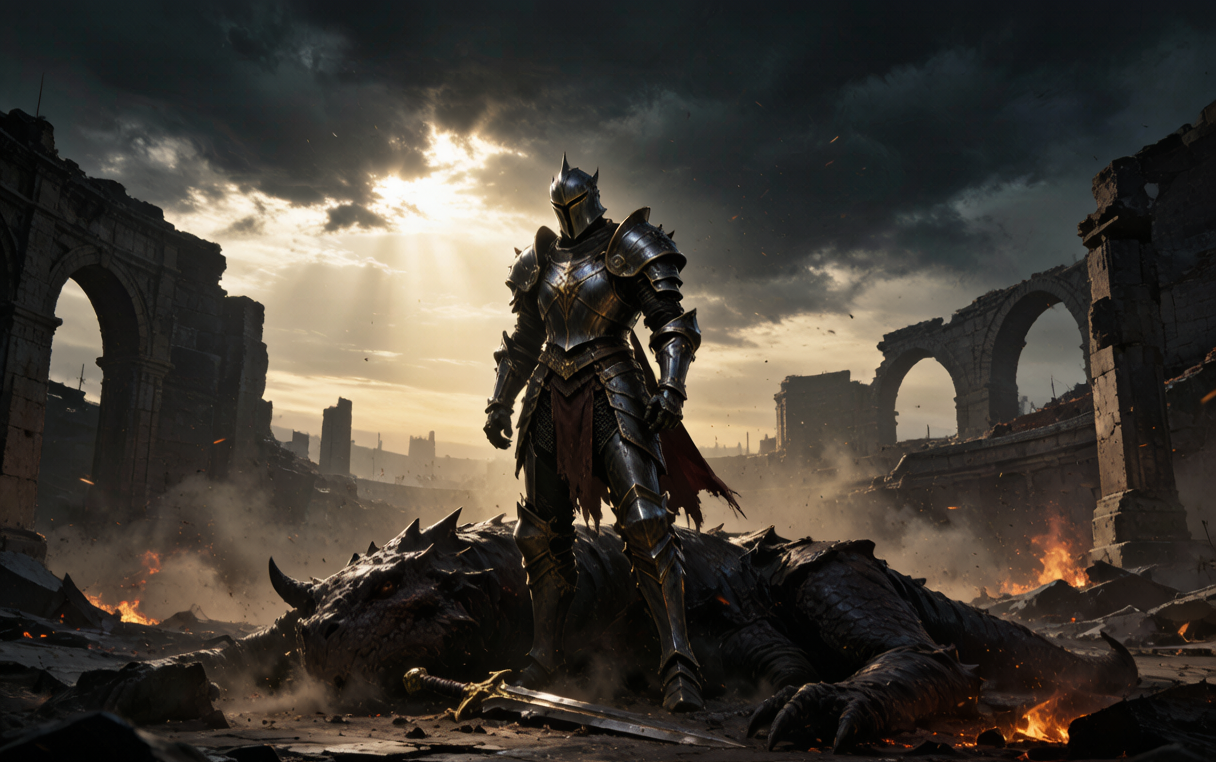
If you enjoy soulslike games, the answer from both critics and the positive side of the Steam review pool is a clear yes. The 49.99 price undercuts the genre standard by 20, the critical consensus places it in the top tier of non-FromSoftware soulslikes, and the build system offers more depth than most games in the genre at any price.
Set your expectations honestly, though. You are buying a launch-window game with real bugs, a punishing early game, sparse checkpoints, and a late-game difficulty curve that some players will find exhausting rather than exhilarating. If you prefer polished, content-complete experiences, waiting a few weeks for patches and balance updates is a reasonable call - the developers have already shown they respond to feedback quickly.
The fairest verdict after the first days on Steam: Mortal Shell II is a bigger, faster, and more ambitious sequel that successfully builds on the original's best ideas. The vision landed. The execution is still being sanded down. If Cold Symmetry keeps patching at the pace they showed in week one, the Mixed Steam rating looks more like a snapshot of a rough launch than a final judgment on the game underneath it.
And while you wait for the patches to settle, PVPbank remains a reliable place to stock up on game currency, items, and boosting services for your other favorite titles - fast delivery, competitive prices, and one less grind between you and your next boss fight.
Recommended Article