MapleStory Classic World Economy Guide: What to Buy Before the October 21 Grand Launch
What to Buy Before October 21: A Classic World Economy Guide
The Economy Is the Game Right Now
Every community thread about MapleStory Classic World right now eventually reaches the same argument: what things should cost. Free Market listings, scroll prices, whether mesos are scarce or inflating — the economy has become the game's second-most-popular activity. With Grand Launch arriving free for everyone on October 21 at 11:00 AM PDT, that debate is about to get a lot louder.
This is not another farming route list. It answers the question most players actually have: when you have some mesos — or are about to get some — what is worth buying, in what order, and what will cost more after launch week?
Why This Guide Doesn't Print a Market Price Table
Community price tracking is the loudest topic in Classic World right now — Discord price lists, Reddit spreadsheets, endless "is this a fair price" threads. It's genuinely useful conversation, and it's also unusable as a reference: any number printed today is stale by the weekend, and nobody has published verified completed-trade records for a world this young. A single wealthy player relisting stock can move an entire category for a day.
So this guide skips the market table on purpose. What it gives you instead is the half of the pricing picture that is actually reliable — the NPC prices that never move — plus a method for judging everything else yourself.
Part 1: Why This Economy Behaves Differently
Founder's Access is a small economy, rich in time and poor in mesos. Only Orange Mushroom and Zakum package holders are in-game, the level cap is 100, second job at 30 is the ceiling, and Victoria Island is the entire map. Nobody has a merchant stall full of rare scrolls. Nobody has finished the game.
That produces three effects worth understanding before you spend anything:
NPC prices never move. A Red Potion costs 50 mesos whether ten players or ten thousand are online. So the only things that swing are the things players sell each other — weapons, gear, scrolls, materials, ammunition.
Supply is thin, so prices are jumpy. One lucky boss drop or one bored player dumping inventory can move a whole item's price for a day. If a listing looks 30% cheaper than everything else, check whether it's one seller or a trend.
Part 2: The Shopping List — Six Purchases, In Order
Here is what your mesos should actually go on, ranked by how much each purchase improves your character per meso spent.
FIXED PRICEPotions — the reference point, not an investment
Potions are most of what you'll spend in the first thirty levels, and they're the only category where the price is guaranteed:
| Item | Restores | NPC Price | Efficiency |
|---|---|---|---|
| Meat | 160 HP | 80 | 2.0 HP per meso |
| Red Potion | 100 HP | 50 | 2.0 HP per meso |
| Orange Potion | 250 HP | 150 | 1.67 HP per meso |
| Lemon | 150 MP | 150 | 1.0 MP per meso |
| Blue Potion | 200 MP | 220 | 0.91 MP per meso |
The pattern to remember: mages pay more to train than everyone else. A magician burning 30 Blue Potions an hour is spending 6,600 mesos an hour on MP alone; a warrior drinking 40 Red Potions spends 2,000. Neither is a crisis, but it explains why magicians always feel poor before level 35 — and why Citizenship matters. From level 12, residents of Henesys or Kerning City get 5–25% off shops and taxis and up to 50% off storage, which quietly trims every session's bill for the rest of the game.
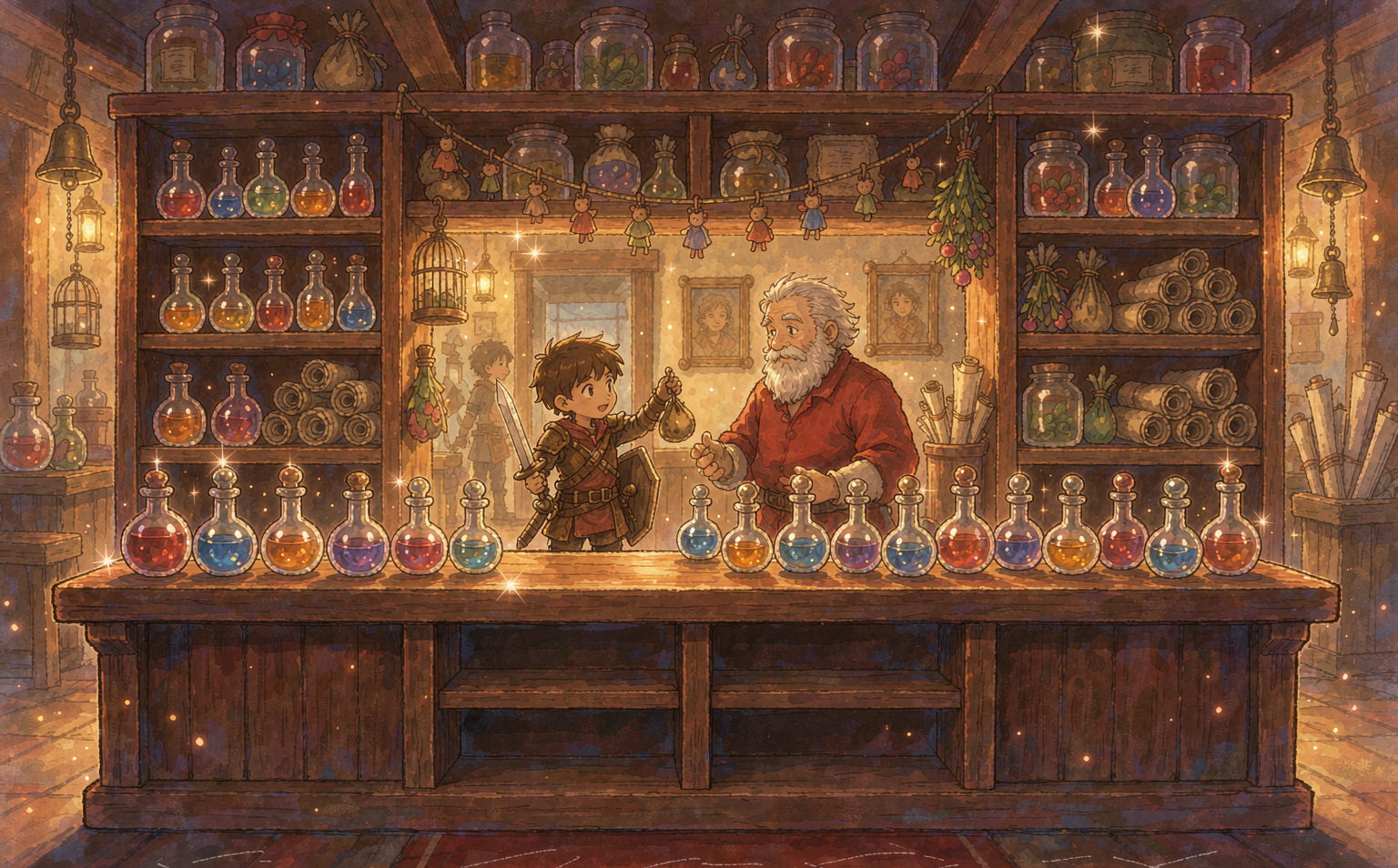 The potion shop — the only place in Victoria Island where prices never move
PRIORITY 1Your second-job weapon — the single best purchase in the game
This is the one everyone gets wrong. The instinct after hitting 30 is to fix your armour, because armour is what's killing you. Resist it. A better weapon makes every hour after it faster, and faster hours mean more mesos — better drops, faster kills, fewer potions per kill.
The rule from every fresh Maple world that came before: nobody buys armour until their weapon is sorted. It was a good rule then. It still is. For warriors right now that means chasing a Wooden Top; bowmen are looking at the Red Viper; the Crescent Polearm sits between the two and is often the best value on the board.
PRIORITY 2The gear NPCs never sell — gloves, capes, and earrings
Here's the detail that surprises newer players: gloves and capes are never sold at NPC shops in Classic World. They come from drops, crafting, quests, or other players. That makes them permanently player-market items, and it's why Weighted Earrings are the cheapest genuine upgrade on the board while Arwen's Glass Shoes carry a premium — there is no NPC alternative at any price.
Work Gloves specifically have a history here. In earlier classic servers, the players who sold them to newcomers in the first two weeks of a new world out-earned everyone who spent the same hours grinding. The lesson isn't "buy Work Gloves" — it's that the first copies of any NPC-unavailable item command a permanent scarcity premium in a world this young.
PRIORITY 3Scrolls — where most of your money goes after level 30
Scrolls are the upgrade economy. Every gear improvement past second job runs through them, they're consumed on use, and demand only grows as more players cross level 30:
- Weapon and glove attack scrolls — Claw Attack Scroll, Bow Attack Scroll, Crossbow Attack Scroll
- Earring stat scrolls — LUK, DEX, STR, and INT variants, for the accessory slot everyone wears but nobody can buy at an NPC
Two warnings. Scroll prices respond violently to upgrade demand, so a scroll that has already tripled offers less upside than one that hasn't moved yet. And scrolls fail — pricing a scroll purchase without accepting the possibility of a wasted slot is how players end up selling their materials at a loss.
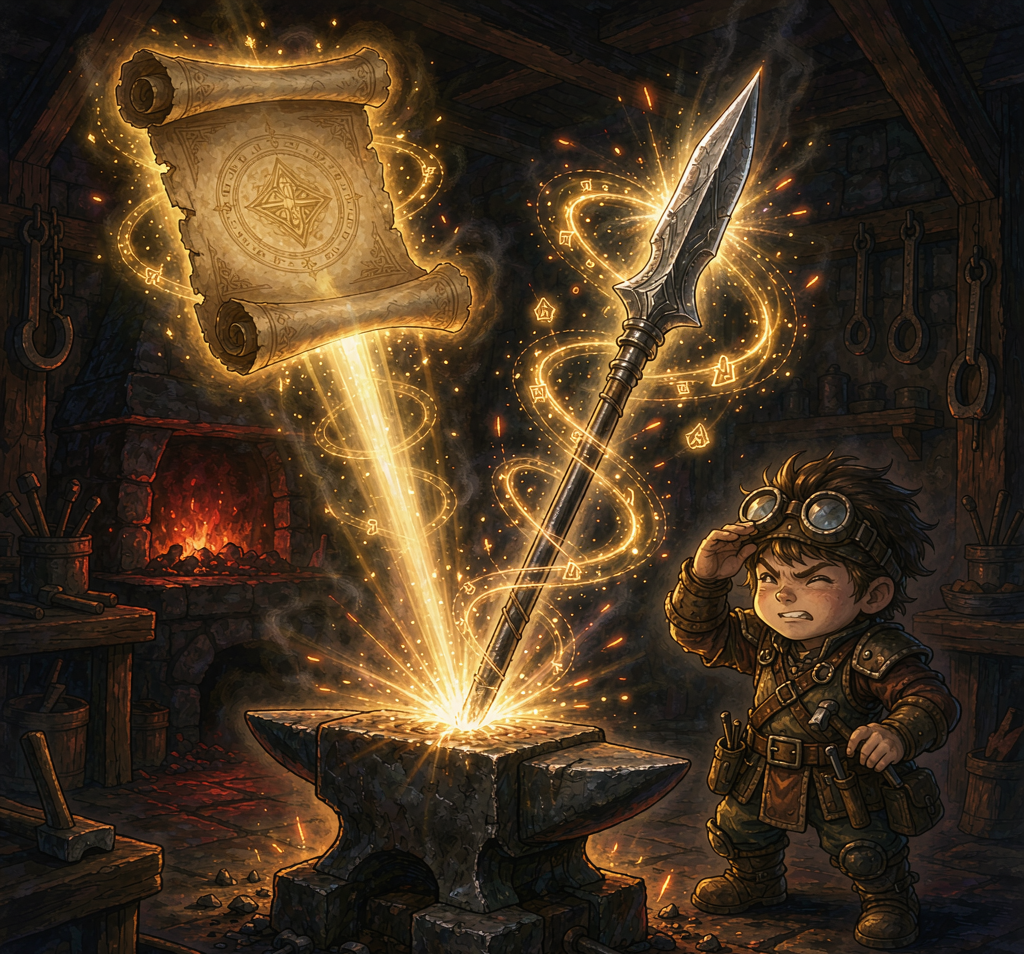 Scroll enhancement — where the mesos go after level 30
PRIORITY 4Crafting materials — cheap now, but watch the demand
Iron Ore, Garnet, Iron Ingots, Leather. Materials are cheap because supply is low and demand hasn't arrived yet — most founders are still leveling, not mass-crafting. Whether they stay cheap depends entirely on what the Crafting system's better recipes require as more players push the skill up.
The trap here is hoarding. Early-game materials have already shown how fast this market corrects: Garnet, Bronze, Pig Heads, and Pig Leather all dropped hard once the quests that created the initial demand were finished. Don't stockpile materials on the assumption they can only go up — check whether the original reason for the price still exists before you commit.
PRIORITY 5Throwing stars — the thief tax
Throwing stars are a permanent drain on thief bankrolls: they're ammunition, they're consumed, and the good ones are drops or player sales only. M-Stars sit at the top of that market, and mid-tier stars like Kumbi and Mokbi trade steadily. If you're a thief, budget for this as a running cost, not a one-time purchase — it's the closest thing this game has to a subscription fee.
Part 3: What Changes on October 21
Grand Launch is free, at 11:00 AM PDT, and founder progress carries over intact. That means every player who didn't buy a package arrives on the same evening, and every one of them needs the same three things: potions, a better weapon, and enough mesos to get moving — all landing on a supply that founders have had two weeks to build.
Community consensus on what happens next is consistent:
- Low-level gear and scrolls jump first. The new crowd all wants the same starter items at once.
- Founders become the sellers. Anyone holding spare level 20–30 gear and etc. drops from the last two weeks is suddenly holding inventory the entire launch wave wants.
- Prices normalize over weeks, not days. The gear that costs a fortune on October 22 will cost a fraction of that by mid-November, once supply catches up.
Part 4: The Three-Signal Price Check
Before any meaningful purchase, check three things. It takes two minutes and it's the difference between buying an item and buying someone's asking price:
- Supply — are more copies of this item appearing in the Free Market, or has availability tightened? Rising supply means falling prices; you can probably wait.
- Demand — are players actively buying it, or is the same listing getting relisted without selling? Relisted-but-unsold is a seller's fantasy, not a market price.
- Completed trades — have deals actually closed at this number? A price that exists only in listings isn't a price; it's a hope.
If all three point the same way, buy. If only the listings have moved, wait a day — in an economy this young, a day is a long time.
Part 5: Farm or Buy — Do the Hourly Math
Whether grinding or topping up makes sense reduces to one honest number: your net mesos per hour — after potions, not the fantasy number from your best-ever hour.
Measure it once: note your meso count and potion stock, train normally for thirty minutes, add the NPC value of the drops you'd sell, subtract the potions you drank, and double it. Most players find their real number is about half what they assumed.
Then put it next to your own target. Divide what you need by your hourly rate and you get the real cost of the item — in hours. Take a purely hypothetical goal of 300,000 mesos at 20,000 an hour: that's fifteen hours of play. If you have six hours a week, it's two and a half weeks; if you have twenty, it's under one. Whether those fifteen hours are worth more or less than the alternative is a question only your schedule can answer — but now you're answering it with a real number instead of a feeling.
The Items catalog is worth browsing even if you don't buy, because it reads like a snapshot of the current economy: second-job weapons (Wooden Top, the Hinkel bow line, the Olympus, the Crescent Polearm), shields across the Ancient and Legend tiers, Arwen's Glass Shoes, Kumbi and Mokbi throwing stars, bulk crafting bundles (Iron Ore ×100, Garnet ×20, Garnet Ore ×100, Iron Ingot ×20), and the scroll family — Claw, Bow, and Crossbow Attack Scrolls plus the four Earring stat scrolls.
FAQ
Watch the Free Market directly and ask what things actually sold for, not what they're listed at. Community price sheets are a starting point for a conversation, not a reference you can spend against — in a two-week-old world they go stale within days. The only numbers you can rely on without checking are NPC shop prices.
Both camps are loud right now. The inflation argument says holding cash loses purchasing power as desirable items rise. The counterargument says converting everything into speculative assets leaves you unable to buy potions, which ends badly around level 30. The workable middle: keep enough for two weeks of training expenses, then decide what to do with the surplus.
Some version of it is probably happening — Bandit Steal-skill profits have been widely discussed. But the scale people cite has no published before-and-after data behind it, which is exactly why this guide doesn't quote market prices. Watch completed trades, not forum outrage.
The second-job weapon. Every hour after it is faster, and faster hours pay for everything else on this list. Armour comes second, always.
No — the opposite, for a few days. Launch-week demand spikes the same starter items everyone needs. The real discount window opens in the weeks after, once supply catches up. Panic-buying on day one is the most common expensive mistake new arrivals make.
Any third-party transaction carries account-level risk under Nexon's terms — sanctions reach your main MapleStory characters too. If you do top up, use an established platform with a track record and delivery documentation, and never hand over account credentials.
Conclusion: Three Things Are Enough
The economy feels chaotic right now because it's two weeks old. It isn't actually complicated:
1. Buy the weapon before the gear. It's the only purchase that makes every subsequent hour more profitable.
2. Run the three-signal check before any big spend. Supply, demand, completed trades. A listing price alone is not a price.
3. Don't panic-buy launch week. The October 22 spike is temporary; patience is the cheapest item in this game.
The Free Market is already filling up. Whether you arrive with a full pouch or a shopping list, October 21 is when the whole of Victoria Island shows up to trade.